𝐄𝐅𝐄𝐑𝐕𝐄𝐒𝐇𝐄𝐍𝐂𝐀 𝐊𝐎𝐋𝐄𝐓𝐈𝐕𝐄
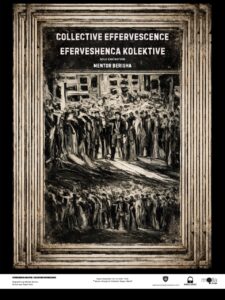
𝐂𝐎𝐋𝐋𝐄𝐂𝐓𝐈𝐕𝐄 𝐄𝐅𝐅𝐄𝐑𝐕𝐄𝐒𝐂𝐄𝐍𝐂𝐄
Ekspozitë nga Mentor Berisha
Kuruar nga Orgest Azizi
Hapja e Ekspozitës: më 16.4.2026 / 19:30

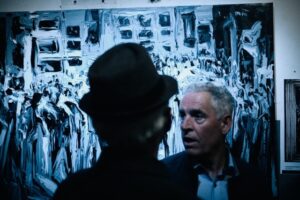
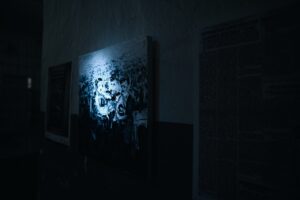
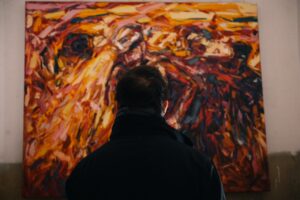
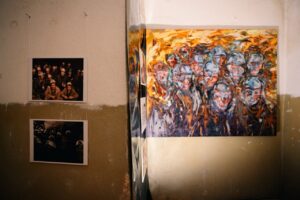
Përmes një serie ciklesh në pikturë, ekspozita reflekton “Eferveshencën” (mobilizimin, gjallërinë) popullore përgjatë viteve të 80-ta dhe 90-ta, duke shqyrtuar çastet kyçe të vetëdijes e historisë kolektive shqiptare në Kosovë. E frymëzuar nga koncepti i sociologut francez Émile Durkheim, kjo ekspozitë shpalos tensionet, kujtesën dhe energjinë e përbashkët të trupave në lëvizje, nga Demonstratat e Vitit 1981, te Greva e Minatorëve të Trepçës (1989), nga Falja e Gjaqeve (1990) te Eksodi i Luftës (1998-1999), cikle këto që ndërtojnë një hartë vizuale të shpërthimeve kolektive, aty ku popullsia shfaqet si eferveshencë, bujë e prani e pakontrollueshme. Tablotë paraqiten si “kuvende plastike”, hapësira ku ngjyra, ritmi dhe përsëritja shndërrohen si gjuhë e përbashkët që kërkon vendin e vet në histori.
“Të katër ciklet vizatojnë një unitet qarkor, pa orientim të veçantë, dhe secilit shikues i takon të ndërtojë rrugëtimin e vet midis tyre për të sh-palosur ritmin e historisë. […] Logjika e pikturës është plastike dhe, nëse i besojmë leximit tonë, përkimet jehojnë më shumë mes ngjyrave, ritmeve, tensionit të rivizatuar çdo herë ku një masë – e dhënë, e mohuar, në ardhje – tenton t’i bëjë vend vetes, të marrë dhenë që i takon nga dheu kontingjent ku gjendet.” (Orgest Azizi)
Piktura e Berishës lëviz mes abstraksionit dhe figuracionit, mes errësirës dhe shpërthimit të dritës, duke e kthyer tablonë në një vend/takim; në një “odë” vizuale ku historia dhe përjetimi kolektiv rizgjohen.
*******************************************
𝐄𝐅𝐄𝐑𝐕𝐄𝐒𝐇𝐄𝐍𝐂𝐀 𝐊𝐎𝐋𝐄𝐓𝐈𝐕𝐄
𝐂𝐎𝐋𝐋𝐄𝐂𝐓𝐈𝐕𝐄 𝐄𝐅𝐅𝐄𝐑𝐕𝐄𝐒𝐂𝐄𝐍𝐂𝐄
Solo Exhibition by Mentor Berisha
Curated by Orgest Azizi
Opening: April 16, 2026 / 19:30
Through a series of painting cycles, the exhibition reflects on “effervescence” (popular mobilization, vitality) during the 1980s and 1990s, examining key moments of collective consciousness and Albanian history in Kosovo. Inspired by the concept of the French sociologist Émile Durkheim, the exhibition unfolds the tensions, memory, and shared energy of bodies in motion, from the Demonstrations of 1981, to the Trepça Miners’ Strike (1989), from the Blood Feud Reconciliation Movement (1990) to the Wartime Exodus (1998–1999). These cycles construct a visual map of collective eruptions, where the population appears as effervescence, an uncontrollable presence, a surge, a force. The paintings are presented as “plastic assemblies,” spaces in which color, rhythm, and repetition transform into a shared language seeking its place in history.
“The four cycles depict a circular unity, without any particular orientation, and each viewer constructs their own journey through them, thus unfolding the rhythm of history. From the ’81 demonstrations, the classic and iconic moment of popular uprising, to mass exile during the war, the extreme moment of elimination and denial. From the reconciliation of blood feuds in the public space of Kosovo’s meadows, to the miners’ strike, in the darkness underground. […] The logic of the painting is plastic and, if we believe our reading, the coincidences resonate more among the colours, rhythms, and tensions redrawn each time where a popular mass – given, denied, emerging – tries to make itself at home, to take that which belongs from the contingent earth where it is present.” (Orgest Azizi)
Berisha’s painting moves between abstraction and figuration, between darkness and bursts of light, turning the canvas into a site of encounter, into a visual “oda” where history and collective experience are reawakened.